
Introduction
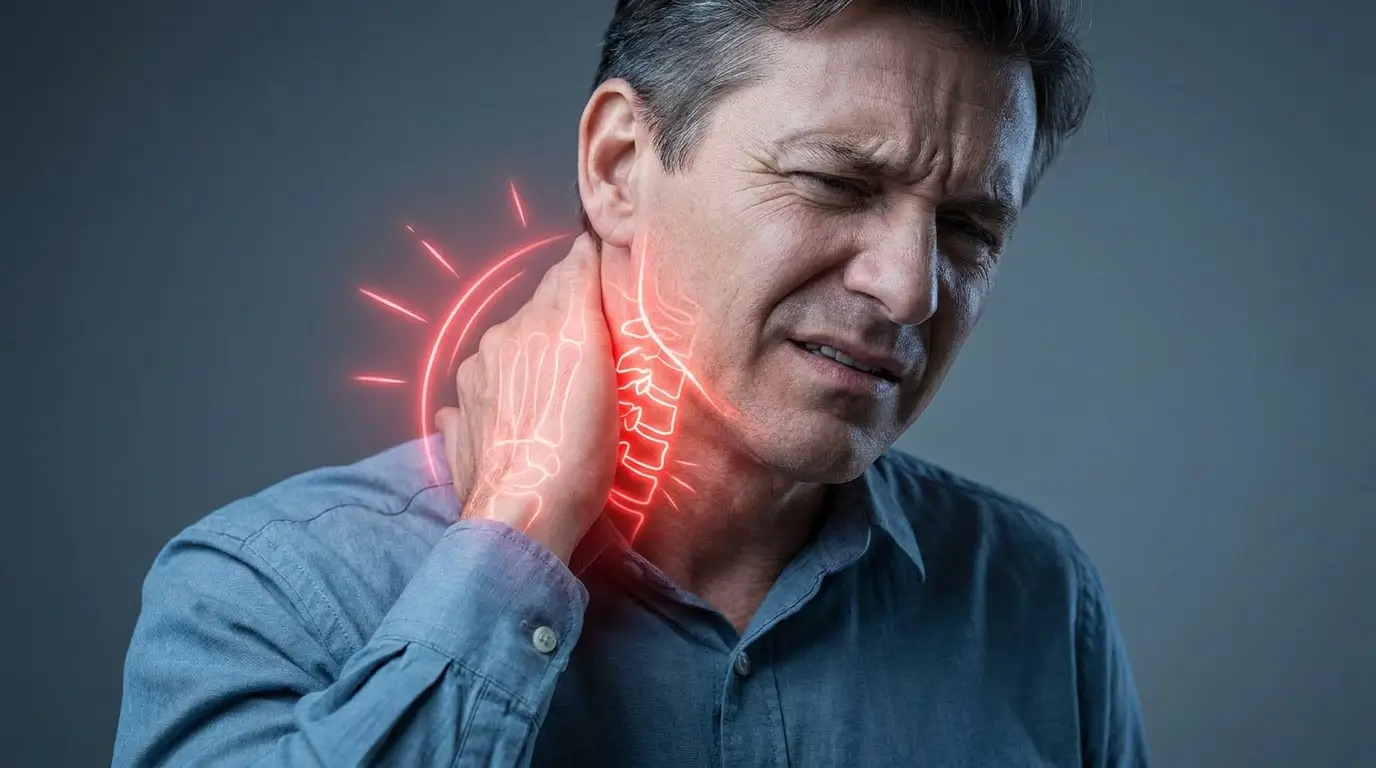
Chronic neck pain can affect nearly every part of daily life, from working at a desk to sleeping comfortably at night. While some people experience ongoing stiffness and soreness, others may deal with sharp pain, headaches, muscle tension, or discomfort that spreads into the shoulders and arms. Neck pain when turning your head left or right is another common symptom that may make everyday activities such as driving, working, or exercising more difficult. In many cases, chronic neck pain develops gradually due to poor posture, repetitive strain, aging, injuries, or underlying spine conditions.
The good news is that surgery is not always necessary. Many patients can find effective relief through non-surgical neck pain treatments designed to reduce inflammation, improve mobility, and manage pain without invasive procedures. Early treatment can also help prevent symptoms from becoming more severe over time.
In this article, we’ll explore some of the best non-surgical treatments for chronic neck pain and how they may help improve your overall quality of life.
What Causes Chronic Neck Pain?
Chronic neck pain can develop from problems affecting the muscles, joints, discs, nerves, or other structures in the cervical spine. Some common causes include:
- Muscle strain and tension: Repetitive movements, prolonged sitting, poor posture, or overuse can place extra stress on the neck muscles.
- Cervical disc problems: A bulging or herniated disc can irritate nearby nerves and cause neck pain that may extend into the shoulder or arm.
- Arthritis and cervical spondylosis: Age-related changes in the joints and discs of the neck can lead to stiffness, inflammation, and persistent pain.
- Facet joint pain: The small joints at the back of the spine can become irritated and contribute to localized neck pain.
- Nerve irritation: Pressure or inflammation around a cervical nerve can cause pain, tingling, numbness, or other symptoms that travel from the neck into the shoulder or arm.
- Previous injury: Whiplash and other neck injuries can sometimes lead to pain that continues long after the original injury has healed.
Because different conditions can cause similar symptoms, identifying the source of the pain is an important part of choosing the right treatment.
Non-Surgical Neck Pain Treatment Options
The right treatment for chronic neck pain depends on the underlying cause, severity of symptoms, and how long the pain has been present. Neck Pain management specialists often use a combination of therapies to help reduce discomfort, improve mobility, and support long-term relief without surgery.
Physical Therapy
Physical therapy is often one of the first recommended treatments for chronic neck pain. A personalized therapy program can help strengthen neck muscles, improve flexibility, and correct posture-related issues contributing to pain.
Physical therapy may help with:
- Improving neck mobility
- Strengthening supporting muscles
- Reducing stiffness and tension
- Improving posture
- Preventing recurring pain episodes
Medication Management
Medications may be used as part of a comprehensive treatment plan to help manage pain and inflammation associated with chronic neck conditions.
Medication management may include treatments for:
- Inflammation reduction
- Muscle spasms
- Nerve-related pain
- Chronic discomfort
- Pain flare-ups
These treatments may help patients perform daily activities more comfortably while supporting recovery alongside other therapies.
Epidural Steroid Injections
Epidural steroid injections are commonly used to reduce inflammation around irritated spinal nerves in the neck. This treatment may help patients experiencing pain caused by disc problems or nerve compression.
Epidural injections may help treat:
- Herniated cervical discs
- Pinched nerves
- Cervical spinal stenosis
- Radiating arm pain
- Chronic inflammation
Potential benefits include:
- Reduced nerve irritation
- Improved mobility
- Relief from shooting pain
- Decreased inflammation
- Better daily function
Trigger Point Injections
Trigger point injections target tight muscle knots that contribute to chronic neck pain and tension. These injections may help relieve pain caused by muscle tightness and repetitive strain.
Trigger point injections may help with:
- Muscle spasms
- Neck stiffness
- Tension-related pain
- Limited range of motion
- Chronic muscle tightness
Many patients experience improved flexibility and reduced discomfort after treatment.
Radiofrequency Ablation
Radiofrequency ablation is a minimally invasive procedure used to disrupt pain signals from specific nerves in the neck. This treatment is often recommended for chronic joint-related neck pain.
Radiofrequency ablation may help:
- Reduce long-term neck pain
- Improve neck movement
- Decrease nerve-related discomfort
- Provide longer-lasting relief
- Reduce dependence on pain medications
Lifestyle and Posture Modifications
Daily habits and posture can play a major role in chronic neck pain. Simple lifestyle adjustments may help reduce strain on the neck and prevent symptoms from worsening.
Helpful lifestyle changes may include:
- Improving workstation ergonomics
- Reducing screen time strain
- Using supportive pillows
- Maintaining proper posture
- Taking regular stretching breaks
- Staying physically active
These changes can help support long-term neck health and improve treatment outcomes.
What Is the Best Treatment for Chronic Neck Pain?
There is no single best treatment for chronic neck pain for every patient. The most appropriate treatment depends on what is causing your pain.
For example, someone whose neck pain is primarily related to muscle tension may benefit from physical therapy and targeted muscle treatment, while someone with nerve irritation may need a different approach. If the facet joints are contributing to chronic pain, medial branch blocks and radiofrequency ablation may be considered.
The goal is not simply to treat the pain temporarily. A treatment plan should focus on identifying the likely source of the pain and choosing an approach that addresses that specific problem.
Can Chronic Neck Pain Be Treated Without Surgery?
Yes. Many people with chronic neck pain can be treated with non-surgical approaches, depending on the underlying condition and severity of their symptoms.
Non-surgical neck pain treatment may include physical therapy, medication management, injections, nerve blocks, radiofrequency procedures, and changes to activity or posture.
However, avoiding surgery does not mean ignoring persistent symptoms. If neck pain continues despite self-care or conservative treatment, an evaluation can help determine why the pain is not improving and whether a more targeted treatment may help.
When Should You Seek Professional Treatment?
While occasional neck discomfort may improve with rest and home care, chronic symptoms should not be ignored.
You may benefit from professional evaluation if you experience:
- Neck pain lasting several weeks or longer
- Pain that interferes with work or daily activities
- Difficulty turning or moving the neck
- Pain spreading into the shoulders or arms
- Tingling, numbness, or weakness
- Frequent headaches related to neck tension
- Symptoms that continue despite self-care measures
Seeking treatment early may help reduce long-term complications and improve overall mobility and comfort.
Final Thoughts
Chronic neck pain can make daily activities difficult and affect overall quality of life. Fortunately, many patients can find relief through non-surgical treatment options designed to reduce pain, improve mobility, and support long-term neck health.
If your symptoms continue or begin interfering with everyday activities, consulting a pain management specialist may help you explore personalized treatment options and find lasting relief.
Frequently Asked Questions
The most effective treatment depends on the cause of the neck pain. Physical therapy, medication management, injections, nerve blocks, and radiofrequency procedures may all have a role depending on the underlying condition.
Yes. Many causes of chronic neck pain can initially be treated without surgery. Treatment may include physical therapy, medication, injections, nerve blocks, and other minimally invasive approaches.
The first step is determining what is causing the pain. Treatment may involve physical therapy, activity and posture changes, medication management, or targeted procedures depending on the source of your symptoms.
You should consider an evaluation if your neck pain persists, repeatedly returns, interferes with daily activities, or is accompanied by symptoms such as arm pain, numbness, tingling, or weakness.
Yes. Certain types of neck problems can contribute to headaches, particularly when structures in the neck or surrounding muscles are involved. An evaluation can help determine whether your headaches may be related to your neck.
Yes. Irritation or compression of a cervical nerve can cause neck pain as well as symptoms that extend into the shoulder, arm, or hand. Depending on the cause, treatment may include physical therapy, medication, injections, or other targeted treatments.