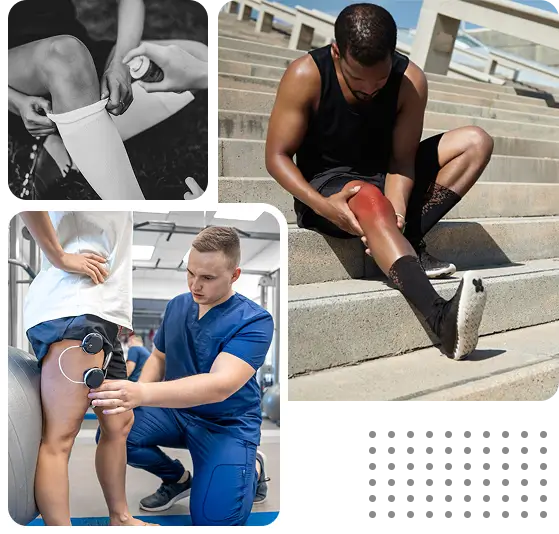
Whether your injury occurred on the field, at the gym, or during everyday movement, our comprehensive sports injury pain treatment offers non-surgical and holistic care designed to reduce pain, improve mobility, and help you return to your best.
Appointments
Sports injuries are extremely common, whether you’re an athlete or simply someone who stays active. A small twist, sudden fall, overstretch, or even a quick change in movement can lead to unexpected pain. Many people assume it’s “just a minor injury” and try to ignore it, hoping it will improve on its own.
But in reality, even a mild sports injury can worsen if left untreated. Pain that continues for more than a few days, swelling that does not go down, or discomfort that affects your daily activities may require professional sports injury treatment to prevent long-term damage.
At Washington Pain & Spine (WAPASS), our sports injury specialists provide advanced sports injury pain management designed to help you heal safely and quickly. We focus on relieving pain, improving mobility, and helping you return to your normal activities, without unnecessary surgery. Whether your injury happened while playing tennis, badminton, running, lifting, or just being active, our team is here to support your recovery with personalized, evidence-based care.
Shoulder injuries can cause sharp pain, weakness, and difficulty lifting the arm. We treat rotator cuff tears, impingement,
dislocations, and overuse injuries to restore strength and mobility.
Elbow pain from repetitive strain or sudden injury can limit daily activities. We provide targeted treatments for tennis elbow, golfer’s elbow, and tendon irritation to reduce pain and improve function.
Wrist and hand injuries often affect grip strength and movement. We treat sprains, tendon injuries, overuse pain, and sports-related trauma with precise, effective pain management techniques.
Sports-related back and spine injuries may involve muscle strain, disc issues, or nerve irritation. Our specialists offer advanced pain relief and spine treatments to restore mobility and prevent long-term problems.
Hip injuries can cause stiffness, sharp pain, or limited movement during sports. We manage hip flexor strains, labrum-related pain, and overuse injuries with personalized care for fast recovery.
Knee injuries are common in active individuals. We treat ACL and MCL sprains, meniscus pain, runner’s knee, and cartilage injuries with targeted, non-surgical pain relief solutions.
Achilles tendon injuries often cause heel pain, tightness, or difficulty walking. Our treatments help reduce inflammation, support healing, and prevent chronic tendon issues.
Ankle sprains can lead to swelling, instability, and pain while walking. We provide effective treatment for mild to severe sprains to support healing and prevent reinjury.
Foot injuries like plantar fasciitis and stress fractures cause sharp or persistent pain during activity. We offer focused treatments to reduce pain and improve weight-bearing function.
Muscle and ligament injuries can result from sudden movement or overexertion. Our sports injury pain management helps reduce inflammation and speed up safe recovery.
If you notice any of the symptoms listed below, they may be warning signs of a deeper injury. Our sports medicine clinic provides expert evaluation and treatment to prevent long-term complications.
Pain that doesn’t improve with rest or keeps returning could indicate a deeper tissue injury or joint damage.
If your knee, ankle, shoulder, or hip feels unstable, it may indicate ligament damage.
Muscle weakness can mean structural damage that needs treatment.
This may signal internal bleeding, ligament sprain, or muscle tearing.
These symptoms often suggest nerve involvement and require immediate evaluation.
If moving, lifting, or walking increases your pain, it’s a sign of an active injury.
Difficulty moving a joint or limb normally can be a sign of tendon or ligament injury.
A common sign of muscle tear, joint injury, or spinal nerve compression.
This may indicate a fracture, severe sprain, or tendon injury.
Our sports medicine clinic follows a comprehensive, non-surgical model focused on:
We identify the underlying source of your pain using advanced imaging and targeted examination.
Reduce pain quickly with targeted injections and advanced interventional procedures.
We identify the underlying source of your pain using advanced imaging and targeted examination.
Strengthen weak areas and prevent reinjury.
01.
We begin with a thorough evaluation to diagnose the source of your sports injury pain. This helps our sports injury specialists create accurate treatment plans for fast,effective recovery.
02.
Your sports injury treatment is customized based on your condition, activity level, and goals. We prioritize safe, effective sports injury pain relief to help you recover quickly.
03.
Our sports injury pain management includes minimally invasive options like injections, nerve blocks, and targeted therapies to reduce pain and restore mobility without surgery.
04.
We guide your recovery through injury-specific exercises and functional support to ensure long-term healing and prevent reinjury, essential parts of proper sports injury care.
05.
We teach safe techniques to reduce future risks and improve performance, helping you stay active while avoiding chronic sports-related pain or repeated injury.
Our specialists provide the right care at the right time, so you heal faster and return to doing what you love. Get expert sports injury treatment in Everett, WA.
Our Most Valuable Trusted Partners From Around The World
At our pain and spine clinic in Washington, during our initial consultation , our specialist doctor will take time to understand your medical history and identify the root cause of the pain. From there, we create a customized treatment procedure that suits your current health condition and lifestyle. Our primary goal is to reduce your pain and improve your overall function and thereby improve your quality of life! We will employ a multidisciplinary approach; incorporating the latest minimally invasive treatments available.
The most common sports injuries include ankle sprains, muscle strains, knee injuries, rotator cuff injuries, and tendonitis. At Washington Pain & Spine, our sports injury specialists in Everett, WA treat all types of acute and chronic sports injuries using advanced, non-surgical pain management techniques.

You should see a sports injury doctor if you experience persistent pain, swelling that doesn’t improve, limited movement, difficulty bearing weight, or pain that gets worse with activity. If symptoms last longer than a few days, it’s important to seek professional sports injury treatment to prevent long-term damage.
Yes. At Washington Pain & Spine, we specialize in non-surgical sports injury treatment. Our approach includes joint injections, epidural steroid injections, nerve blocks, PRP therapy, trigger point therapy, and advanced spine treatments to relieve pain and restore function — without unnecessary surgery.
Recovery time for a sports injury depends on the severity of the injury, your activity level, and how early treatment begins. Mild injuries may heal within 2–4 weeks, while moderate or severe injuries may require 6–12 weeks or more. Our personalized sports injury pain management plans help you recover faster and safely return to activity.
Recurring sports injuries often happen due to untreated inflammation, weak or imbalanced muscles, poor movement patterns, or returning to activity too quickly. Our sports medicine specialists provide targeted evaluation, corrective strategies, and injury-prevention programs to stop chronic or repetitive sports injuries from returning.
During your first visit to Washington Pain & Spine, our sports injury specialist performs a comprehensive evaluation, including a physical exam, review of symptoms, and imaging if needed. We identify the exact cause of your pain and create a personalized sports injury treatment plan focused on fast, effective, non-surgical recovery.