

Sciatic nerve pain is one of the most common and disruptive forms of nerve pain affecting adults today. For some people, it begins as mild discomfort in the lower back. For others, it develops into sharp, radiating pain that travels through the buttock and down the leg, making walking, sitting, or even sleeping difficult. Choosing the right treatment for sciatic nerve pain is essential to restore mobility, improve comfort, and prevent long-term nerve damage.
While temporary home remedies may offer short-term pain relief for sciatic nerve irritation, untreated or poorly managed symptoms can become chronic. A structured pain management approach focuses on treating the source of nerve irritation rather than masking symptoms.
What Is Sciatic Nerve Pain?
Sciatic nerve pain, commonly referred to as sciatica, occurs when the sciatic nerve becomes compressed, irritated, or inflamed.
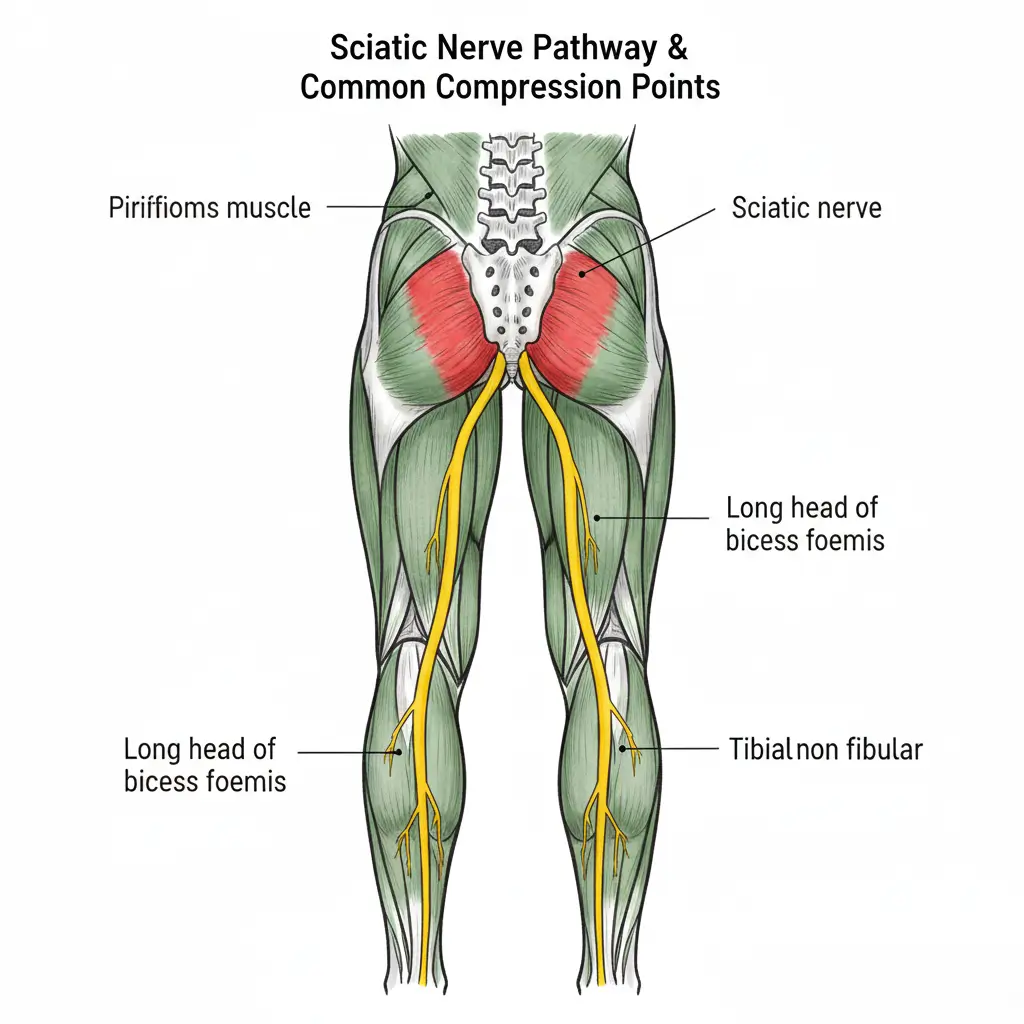
The sciatic nerve is the longest nerve in the human body. It originates in the lower spine, passes through the pelvis and buttocks, and extends down the back of each leg to the foot. Because of its length and function, any irritation along this pathway can result in pain that spreads far beyond the lower back.
Sciatic pain is classified as neuropathic pain, meaning it originates from nerve involvement rather than muscle or joint strain alone. Similar nerve irritation can occur in other parts of the body as well, including nerve pain in the chest, where irritated nerves may cause sharp or burning discomfort.
Why Sciatic Nerve Pain Requires Pain Management
Effective treatment for sciatic nerve pain requires targeted care because sciatica often involves nerve inflammation, compression, and abnormal pain signaling. Pain management plays a critical role in treating sciatic nerve pain because the condition often involves:
- Ongoing nerve inflammation
- Mechanical compression from spinal structures
- Recurrent or chronic symptoms
Rather than relying on temporary solutions alone, pain management focus on:
- Identifying the exact cause of nerve irritation
- Reducing inflammation at the source
- Interrupting abnormal pain signaling
- Restoring function and mobility
This makes pain management particularly effective for patients whose symptoms persist beyond basic home care.
Conservative Treatments for Sciatic Nerve Pain
Most patients begin with non-surgical methods as part of a structured treatment for sciatic nerve pain plan. These approaches aim to reduce nerve stress while supporting natural healing.
Activity Modification and Lifestyle Changes
Simple adjustments can significantly reduce nerve pressure:
- Avoiding prolonged sitting
- Using proper posture
- Modifying daily movements and work habits
These steps reduce pressure on the sciatic nerve and support sustained pain relief for sciatic nerve symptoms.
Physical Therapy and Guided Exercise
Physical therapy is a key component of treatment for sciatic nerve pain. A supervised program may help:
- Strengthen core and spinal muscles
- Improve flexibility and posture
- Reduce mechanical stress on the nerve
Therapy is tailored to the patient’s condition and pain tolerance to avoid worsening symptoms.
Medication-Based Pain Management
In some cases, short-term sciatic nerve pain medicine may be recommended to manage acute flare-ups. This may include:
- Anti-inflammatory medications
- Muscle relaxants
- Nerve-targeted pain relief (when appropriate)
Medication is typically used as part of a broader plan, not a long-term standalone solution.
Interventional Pain Management Treatments for Sciatica
When conservative treatments fail to provide sufficient relief, interventional pain management becomes an important next step.
These procedures target pain at its source and are often used to avoid or delay surgery.
- Image-Guided Spinal Injections
Using advanced imaging, medication is delivered precisely to the area around the affected nerve. This helps:
- Reduce inflammation
- Relieve pressure on the sciatic nerve
- Improve mobility and comfort
Accuracy is key, making these procedures a core part of pain management care.
- Epidural Steroid Injections
Epidural injections are commonly used for sciatic nerve pain caused by disc or spinal conditions. They work by:
- Reducing nerve swelling
- Blocking inflammatory pain signals
- Providing relief that may last weeks or months
These injections are especially helpful during severe pain episodes.
- Nerve Root Blocks and Advanced Procedures
In cases of persistent or recurring sciatica, nerve-specific procedures may be recommended to:
- Interrupt abnormal pain signaling
- Improve function
- Support long-term pain control
These treatments are selected carefully based on imaging and clinical evaluation.
When to Seek Pain Management Care for Sciatic Pain
If symptoms persist or worsen, consulting the best doctor for sciatica nerve pain can help ensure accurate diagnosis and access to advanced pain management treatments. You should consider seeing a pain management specialist if:
- Sciatic pain lasts longer than 2–3 weeks
- Pain worsens or returns frequently
- You experience numbness or weakness
- Pain affects work, sleep, or daily activities
Early pain management care can prevent progression to chronic pain.
Preventing Future Sciatic Pain Episodes
While not all cases are preventable, risk can be reduced by:
- Maintaining healthy posture
- Strengthening the core and back
- Avoiding repetitive strain
- Using proper lifting techniques
- Staying physically active within comfort limits
Preventive strategies are often included as part of a long-term pain management plan.
Final Thoughts
Effective treatment for sciatic nerve pain requires a focused pain management approach that addresses nerve inflammation and compression directly. While mild symptoms may resolve with conservative care, persistent sciatica should never be ignored.
With the right combination of non-surgical care, interventional procedures, and guided rehabilitation, most patients experience lasting relief, improved mobility, and a significantly better quality of life.